
"Arabica coffee environment"
6000 article(s) found

Colombia magic manor coffee beans cultivation environment production area variety introduction
Colombia Magic Manor Coffee Bean Planting Environment Production Area Variety Introduction Hope Manor has a total of four estates (Esperanza, Las Margaritas, Cerro Azul and Potosi). The estate has won Best of Panama (2008) and Second (2009)*. 2012 SCAA Coffee of the Year Top 10

A brief introduction to the treatment method of grinding degree and baking degree of Colombian Huilan boutique coffee beans with strong aroma
The pure taste of Colombian coffee, in addition to the natural environment with the most favorable conditions for coffee growth, is inseparable from the hard work of local growers. In Colombia, coffee cultivation has reached 1.07 million hectares, there are about 302000 coffee plantations in the country, and 30 to 40 per cent of the rural population depends directly on coffee production. There are many farms in Colombia, but

Boutique Coffee beans Colombian Coffee varieties Arabica Coffee Fruit Coffee
Colombian coffee (Cafe de Colombia), which originated in Colombia, is one of the few individual coffees sold in the world under the name of the country. In terms of quality, it has won praise unmatched by other coffee. Compared with other producing countries, Colombia is more concerned with developing products and promoting production. It is this, coupled with its superior geographical and climatic conditions, that makes Goran

Description of Coffee Flavor in Santa Rita Manor, Colombia, introduction to the characteristics of Grinding degree and planting Environment
The pure taste of Colombian coffee, in addition to the natural environment with the most favorable conditions for coffee growth, is inseparable from the hard work of local growers. In Colombia, coffee cultivation has reached 1.07 million hectares, there are about 302000 coffee plantations in the country, and 30 to 40 per cent of the rural population depends directly on coffee production. There are many farms in Colombia, but

The planting conditions, types and methods of coffee. What are the favorable conditions for coffee cultivation?
Professional coffee knowledge exchange more coffee bean information Please pay attention to the planting conditions of coffee in coffee workshop (Wechat official account cafe_style) Coffee can not be grown in any environment, because it was originally a plant growing in the tropical rain forest, in the process of phylogeny, it forms the habit of requiring calm wind, cool, shady or semi-shaded and humid environment. Therefore, coffee has a good effect on planting conditions.

Robusta coffee beans and Arabica flavor difference which robusta coffee beans are the best?
Professional coffee knowledge exchange more coffee bean information Please follow the coffee workshop (Wechat official account cafe_style) Coffee bean ingredients include caffeine, tannin, fat, protein, sugar (carbohydrates), minerals and so on. The sugar in coffee beans brings sweetness, tannins and fatty acids bring sour taste, volatile fat brings aroma, and caffeine bitterness. The coffee is big

Flavor description of Yunnan Tieka Coffee beans Taste quality characteristics of Grinding scale Manor
Yunnan Tieka coffee beans taste description, taste characteristics, grinding and calibration manor introduced that all coffee beans grown in Yunnan are Arabica coffee beans. The varieties were first introduced in 1892 in Zhukula area, Pingchuan Town, Binchuan County, Dali Prefecture, Yunnan Province. Arabica Bourbon and Arabica Tippica coffee beans were introduced, and then introduced into Kenya Katimo (Arabica and Robusta married) in 1991.

How many coffee fruits are processed per season and the planting environment are introduced
A coffee tree produces an average of how many coffee fruits per season and planting environment. Coffee fruits contain two seeds, namely coffee beans. The two beans stand upright facing each other on one side of their plane. Each coffee bean has a thin outer membrane, called the silver skin, which is covered with a yellow outer skin, called the endocarp. Whole coffee beans

Manning Coffee growing Environment characteristics planting manor flavor description taste treatment method
Manning coffee growing environment characteristics planting manor flavor description first Ethiopia: coffee original flavor annual output: 396000 tons a cup of water washed Yegashafi (Yirgacheffe) can bring out exquisite flowers and sweet fruit flavor, unparalleled; or sun-treated Sidamo, sweet and atmospheric, are all Ethiopian coffee
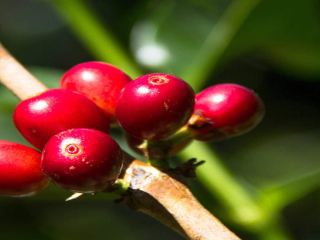
What are Robusta coffee beans? What's the difference between Arabica coffee and Robusta coffee?
What kind of coffee beans is Robusta, a natural variety of Robusta in West Africa, grown at lower elevations and higher temperatures. It basically includes the output of the rest of the world's coffee. Its coffee beans are small and round, but their caffeine content is nearly twice that of Arabica, and this high caffeine has become a pest-resistant day.
Does the growing environment of Daquan coffee affect the quality and flavor of coffee beans growing countries and producing areas in the world?
The ideal conditions for the growth of coffee trees all over the world are located in the equatorial zone between 25 degrees north latitude and 30 degrees south latitude, known as the bean belt. Fussy Arabica coffee grows best in high-altitude fertile soil, while healthier robusta coffee prefers higher temperatures and thrives on lower ground. What affects coffee?

Description of growing Environment and Flavor of Manning Coffee introduction of manor characteristics in planting area
Manning Coffee growing Environment Flavor description Variety introduction Coffee is an evergreen cotyledon plant native to Ethiopia and belonging to Coffee of the Rubiaceae family in botany, with a height of up to 10 meters, while artificial growers are only two to four meters tall due to pruning. Coffee will probably go to seed in three to four years, while twenty to 25

Yunnan Coffee Flavor description Taste characteristics treatment method for planting Environmental altitude varieties
Yunnan coffee flavor description taste characteristics treatment method the environmental problems of planting altitude varieties of coffee, although it can reach the hot area standard, it is far away from the equator, the problem of evaporation, and the large-scale Yunnan coffee growing area is less than 1100m above sea level. in recent years, the severe drought in Yunnan, as well as the frost period in the producing areas, have made it impossible to guarantee the cultivation of coffee, which directly affected the quality of coffee production.

[reprint] introduction of Arabica Coffee
There are about 60 kinds of coffee, but there are mainly two varieties of coffee grown commercially. "Arabica" 2. "Robasta" if divided according to the planting area of these two kinds of coffee, Arabica accounts for 70% of the world's acreage, and Robasta accounts for 30%. This shows how important Arabica coffee beans are in the world! So

What are the characteristics of Mantenin in Sumatra, Indonesia? How do you drink manning? Planting environment?
What are the characteristics of Mantenin in Sumatra, Indonesia? How do you drink manning? What are the characteristics of the planting environment? Indonesia is the largest archipelago country in the world. Arabica coffee was introduced and planted during the Dutch colonial period in the 18th century, until it became the top five coffee producing country in the world in modern times. the main producing areas are located in Sumatra, Java and Sulawesi. Sumatra Island

The growing environment of coffee beans the planting conditions of coffee trees
Coffee tree coffee (Xoffea arabica Linn) coffee is a perennial evergreen shrub or small tree of Rubiaceae. It is a horticultural perennial cash crop with the characteristics of fast growth, high yield, high value and wide market. Wild coffee trees can grow to 5 to 10 meters high, but coffee trees planted on manors are often cut to less than 2 meters in order to increase fruit and facilitate harvesting.

Description of Price and Flavor of Panamanian Rosa Coffee Bean A brief introduction to the varieties produced in the planting environment
Description of the price and flavor of Panamanian rosy summer coffee beans A brief introduction to the varieties produced in the planting environment and regions won the first prize of the seven-year Panama National Treasure Bean Cup Test Competition of two ○○ five, two ○○ six and two ○○. In the seventh year of ○○, the international famous bean cup test sponsored by the American Fine Coffee Association won the championship again, and the bidding price was sold at US $130 per pound, the highest price in the history of competition beans.

Introduction to the origin of Arabica coffee beans introduction to Arabica Coffee Manor
Arabica coffee accounts for 75%, 80%, and its excellent flavor and aroma make it the only coffee that can be drunk directly among these native species. But its resistance to dryness, frost, diseases and insect pests is low, especially the natural enemy of coffee leaf rust, so the producing countries are committed to variety improvement. Sley.
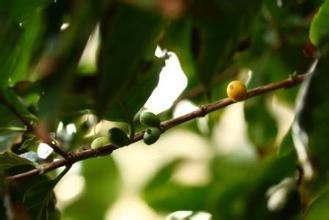
Coffee growing environment affects coffee growing environment and coffee quality Suitable soil and conditions
Coffee originated in tropical Africa, the origin of small species is the tropical plateau of Ethiopia, between 900 and 1800 meters above sea level, with an average annual temperature of 19. C. The medium-grained species originated in the tropical rain forest area of Congo, below 900 meters above sea level, with an annual average temperature of 21~26. C。They are native to shady or semi-shady forests and river valleys, so coffee needs calm wind, warm and humid

Uganda Coffee A brief introduction to the Environment of Ugandan Coffee characteristics of Ugandan Coffee
Professional coffee knowledge exchange more information about coffee beans please follow the coffee workshop (Wechat official account cafe_style) Uganda is a landlocked country in eastern Africa. Just as Ethiopia is the origin of Arabica coffee, Uganda is one of the few major countries in Africa dedicated to the production of organic coffee. The most famous coffee producing area in Uganda is the buckyasu area in the north near the Kenyan border.